


Semiconductor History | Intel Headquarters, 29 June 1998 — Xeon Moves x86 into the Server Room
· 1998-6
Personal memoryBy kevin · · Report an issue














































































Find memories left by people near you.
Distribute Bounty
This will distribute the bounty equally among all qualifying memories. This action cannot be undone.
Cancel Bounty
Are you sure you want to cancel this bounty? The remaining amount will be refunded to your account.
Success!
Operation completed successfully.
Error
Something went wrong.
Semiconductor History | Intel Headquarters, 29 June 1998 — Xeon Moves x86 into the Server Room
kevin
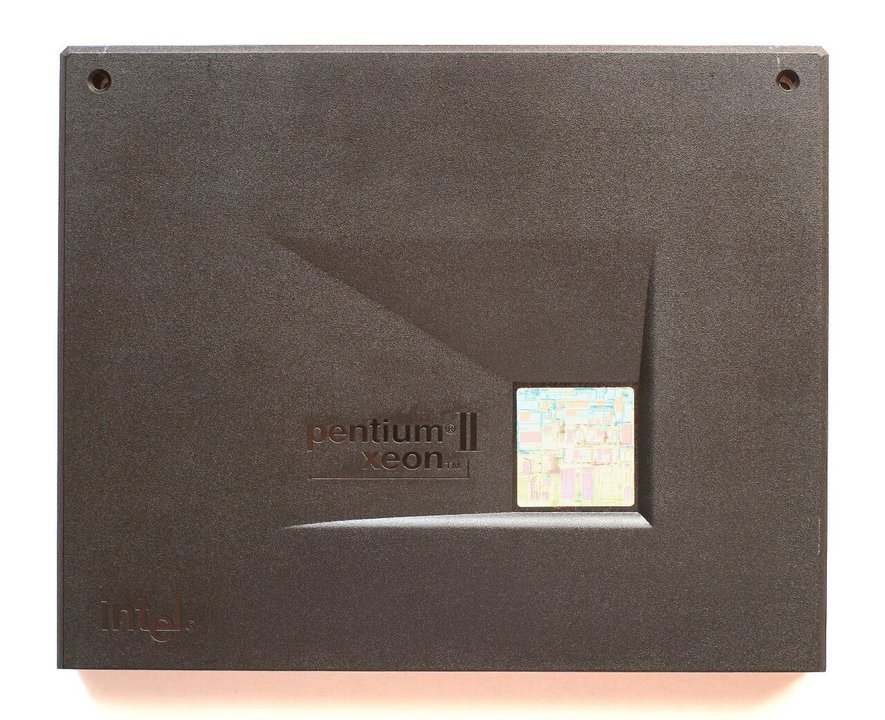
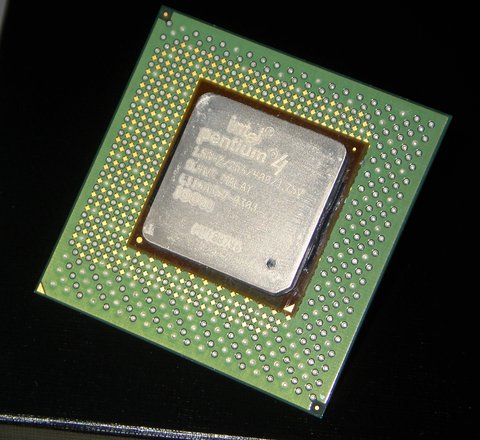
On 29 June 1998, Intel introduced the Pentium II Xeon in Santa Clara as a processor built specifically for midrange and high-end servers and workstations. The launch made “Xeon” the durable name for Intel’s enterprise x86 line and pushed a personal-computer architecture deeper into workloads long associated with proprietary systems.
The first models ran at 400 MHz with 512 KB or 1 MB of level-two cache operating at full processor speed. Intel paired them with a 100 MHz system bus and platforms designed for four-, eight-, and larger multiprocessor configurations, with addressing support for as much as 64 GB of memory.
Real machines followed quickly. IBM’s Netfinity 7000 M10 offered four 400 MHz Pentium II Xeon processors, while Microsoft publicized SQL Server benchmark results on a four-processor Compaq ProLiant system—evidence that the launch was more than a paper claim.
The good was economic as well as technical. Standard x86 software and increasingly capable commodity servers gave organizations another path to database, engineering, and network workloads, pressuring the cost and exclusivity of proprietary workstation and server platforms.
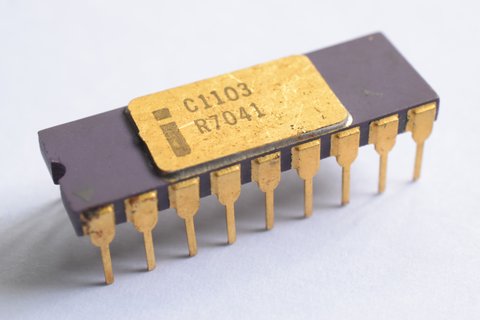
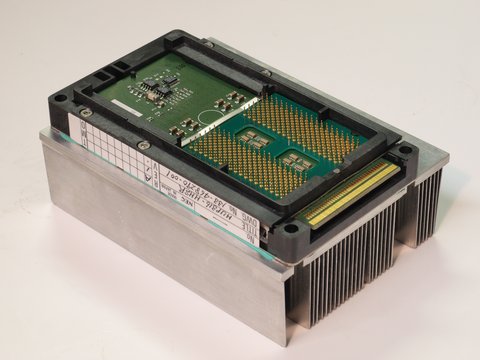
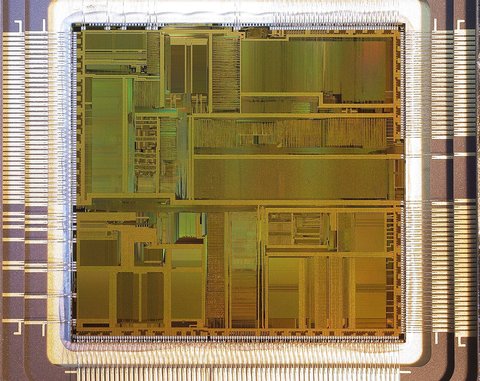
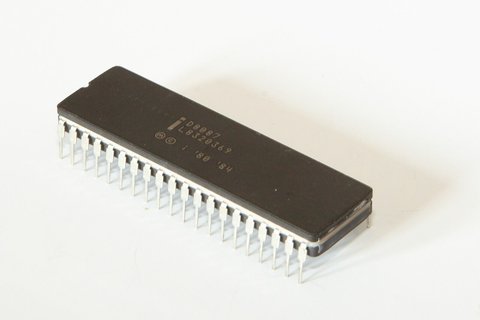
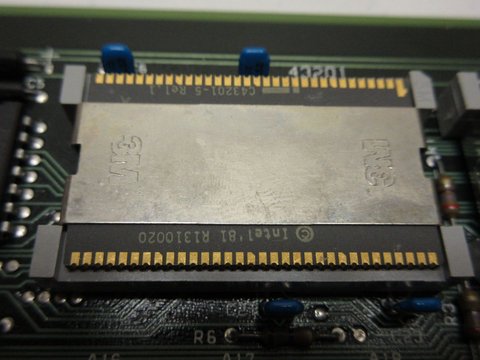
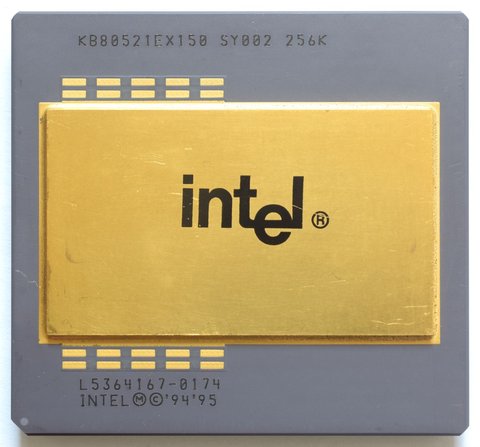
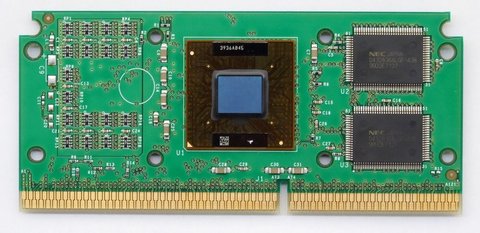
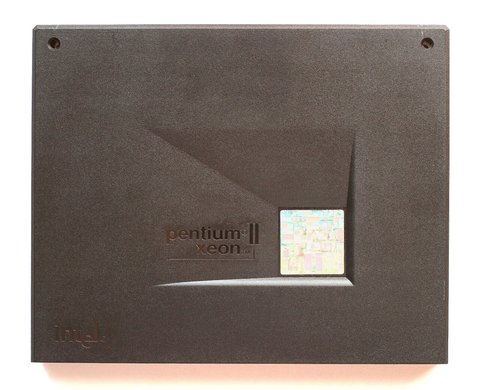
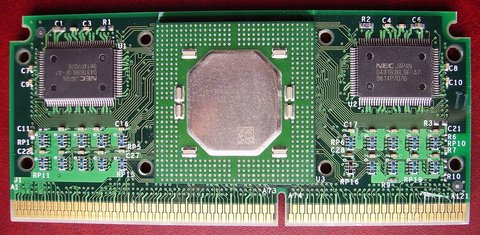
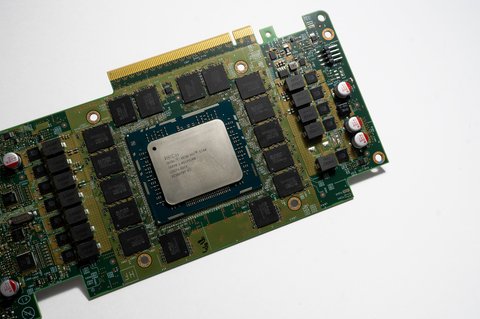
The tradeoffs were equally visible. The enormous black Slot 2 cartridge in the photograph packaged processor and cache into an expensive module, and launch prices were $1,124 for the 512 KB version and $2,836 for the 1 MB version in thousand-unit quantities.
Xeon also formalized segmentation: Intel could reserve cache, multiprocessing, chipsets, and platform features for premium systems while using a related architecture across the broader PC market. Customers gained compatibility and scale, but Intel gained a powerful way to price and control distinct tiers of one ecosystem.
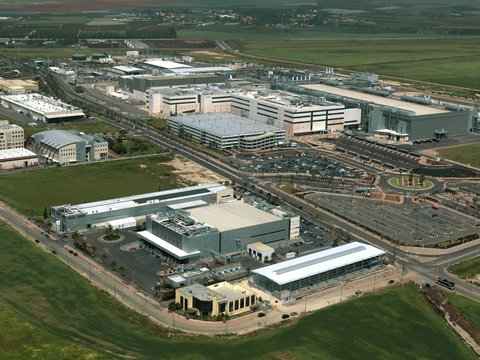
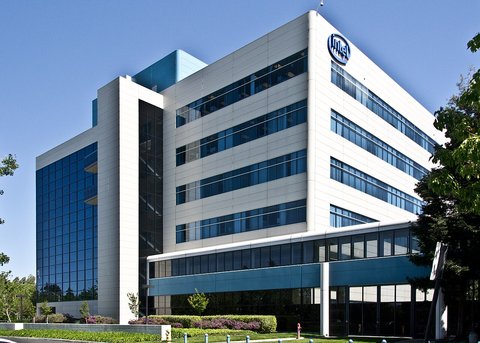
The headquarters pin follows the contemporary Santa Clara dateline and gives visitors a public Intel-history anchor; the surviving announcement does not identify a room-level launch venue. What began as Pentium II Xeon outlived the Pentium II name, turning Xeon into one of Intel’s most important brands—and making x86 a permanent inhabitant of the server room.
Photo: Konstantin Lanzet, CC BY-SA 4.0, via Wikimedia Commons















changes?
delete this memory?
We detected that you have a Blox in your crypto wallet! We will import the Blox into your account.
Click on done below to complete the import.
Welcome Back!
Sign in to preserve cherished moments
Don't have an account?
Welcome!!
Sign up and start preserving cherished moments
?
?







Choose your payment method
Buy with Metablox Credit
Do you want to mint Blox with Metablox Credit?
Which Crypto would you like to use?
Purchase Confirmed!
Your Blox is being minted on-chain and will appear in your profile shortly.
Log in or sign up to claim your Blox.
How many credits do you want to buy?
$100 USD = 1 Metablox Credit = 1 Blox.
Use Metablox Credit to mint any Blox you want on the map.
 expand_more