


Semiconductor History | 2200 Mission College Boulevard, 1985 — Intel Abandons the Business It Was Founded to Win
· 1985
Personal memoryBy kevin · · updated · Report an issue






























































Find memories left by people near you.
Distribute Bounty
This will distribute the bounty equally among all qualifying memories. This action cannot be undone.
Cancel Bounty
Are you sure you want to cancel this bounty? The remaining amount will be refunded to your account.
Success!
Operation completed successfully.
Error
Something went wrong.
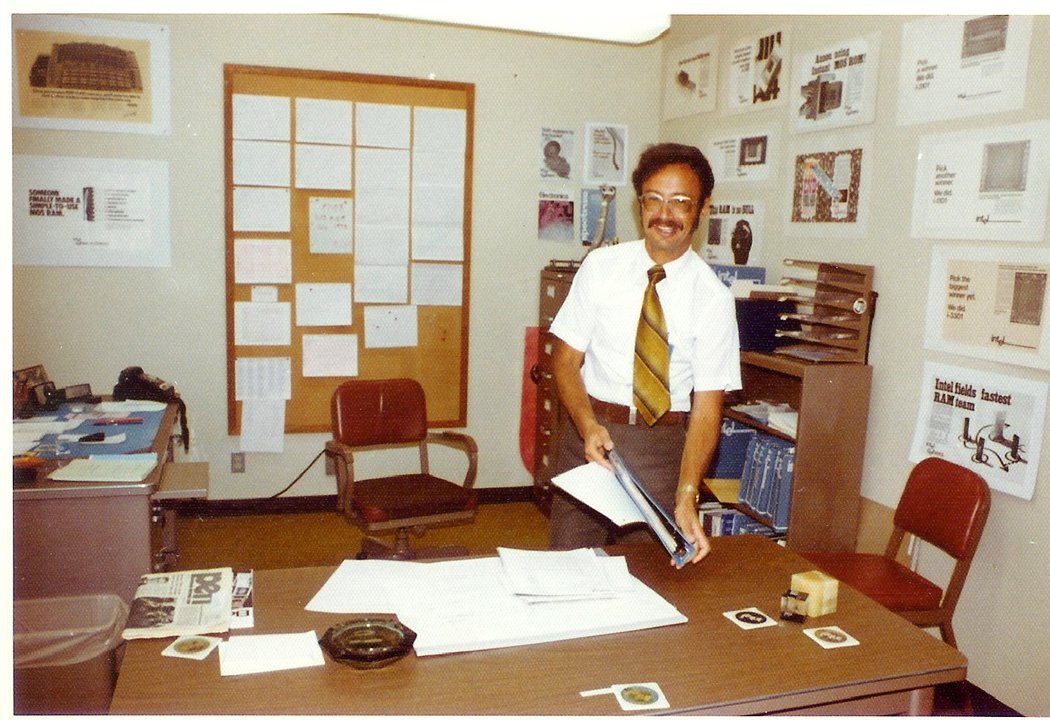
Semiconductor History | 2200 Mission College Boulevard, 1985 — Intel Abandons the Business It Was Founded to Win
kevin
Intel began as a memory company, and in 1985 it stopped making the product that had justified its founding.
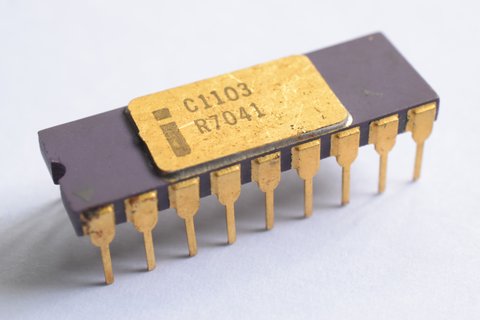
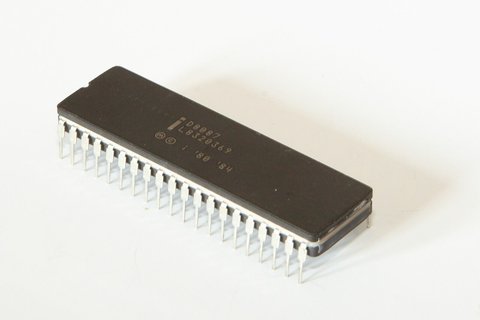
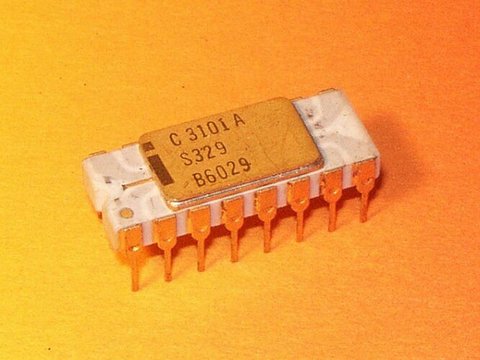
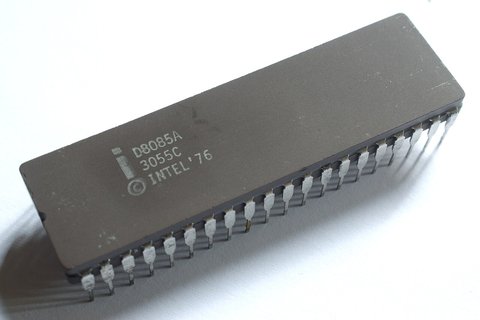
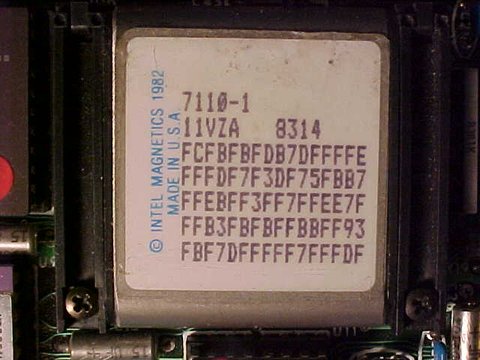
The 1103 DRAM had pushed magnetic cores out of main memory and given Intel its first high-volume success. By the early 1980s, however, Japanese producers were making DRAM in greater volume, with high quality and prices that Intel struggled to match.
Leaving was harder than the later success makes it sound.
Memory shaped Intel's fabs, engineering identity, and internal measures of technical standing. Gordon Moore was chief executive, Andy Grove was president, and both had to accept that the company they thought they were running no longer matched where its factories and profits were moving.
Grove later explained the decision through a thought experiment about what new leaders would do if the board replaced them. The answer was to leave DRAM, so the existing leaders did it themselves.
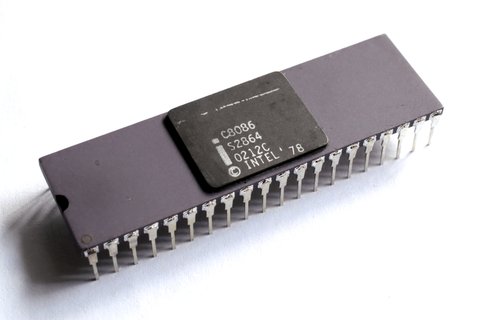
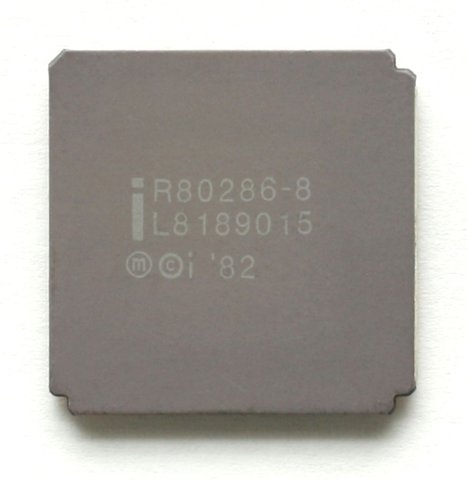
Intel's formal retreat came in 1985, the same year it introduced the 32-bit 80386. The juxtaposition makes the decision look cleaner than it felt: one business was being closed while another still depended on a personal-computer market whose shape was not guaranteed.
The choice became the foundation of Intel's PC-era wealth.
It also narrowed the company around x86, a concentration that looked like discipline while personal computers grew and later became a strategic constraint when computing moved toward phones, accelerators, and other architectures. A good decision can create the conditions for a later blind spot.
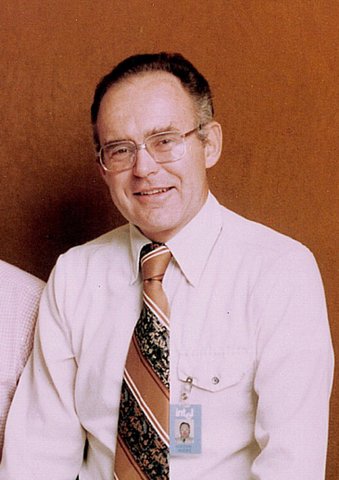
The archival photograph shows Grove in an office at Intel's earlier Bowers campus, surrounded by product advertisements from the memory years. It is not a photograph of the 1985 decision; it shows the company identity that decision had to cut through.
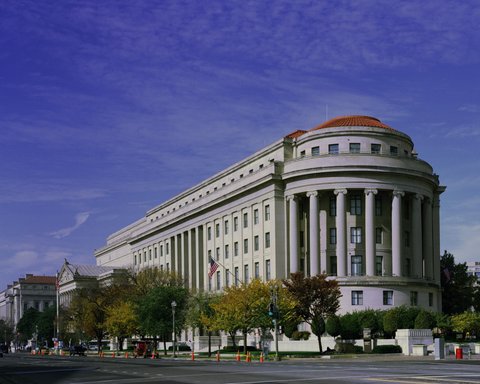
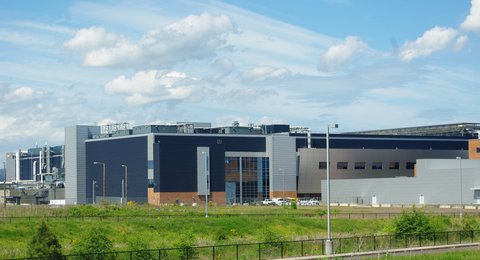
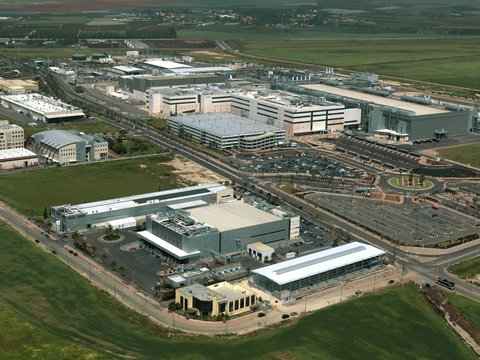
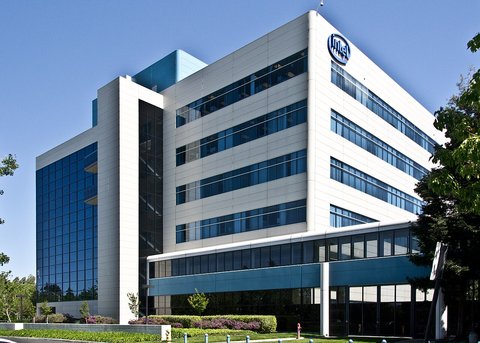
At 2200 Mission College Boulevard, the Intel Museum still tells the memory-to-microprocessor transition inside the company's active headquarters. The exhibits are open to the public on weekdays, a corporate archive placed where the pivot was managed.
Photo: Intel Free Press, CC BY 2.0, via Wikimedia Commons.





changes?
delete this memory?
We detected that you have a Blox in your crypto wallet! We will import the Blox into your account.
Click on done below to complete the import.
Welcome Back!
Sign in to preserve cherished moments
Don't have an account?
Welcome!!
Sign up and start preserving cherished moments
?
?





Choose your payment method
Buy with Metablox Credit
Do you want to mint Blox with Metablox Credit?
Which Crypto would you like to use?
Purchase Confirmed!
Your Blox is being minted on-chain and will appear in your profile shortly.
Log in or sign up to claim your Blox.
How many credits do you want to buy?
$100 USD = 1 Metablox Credit = 1 Blox.
Use Metablox Credit to mint any Blox you want on the map.
 expand_more