


Semiconductor History | Intel Headquarters, 22 April 1991 — The 486SX Sells a Disabled Math Unit
· 1991-4
Personal memoryBy kevin · · Report an issue














































































Find memories left by people near you.
Distribute Bounty
This will distribute the bounty equally among all qualifying memories. This action cannot be undone.
Cancel Bounty
Are you sure you want to cancel this bounty? The remaining amount will be refunded to your account.
Success!
Operation completed successfully.
Error
Something went wrong.
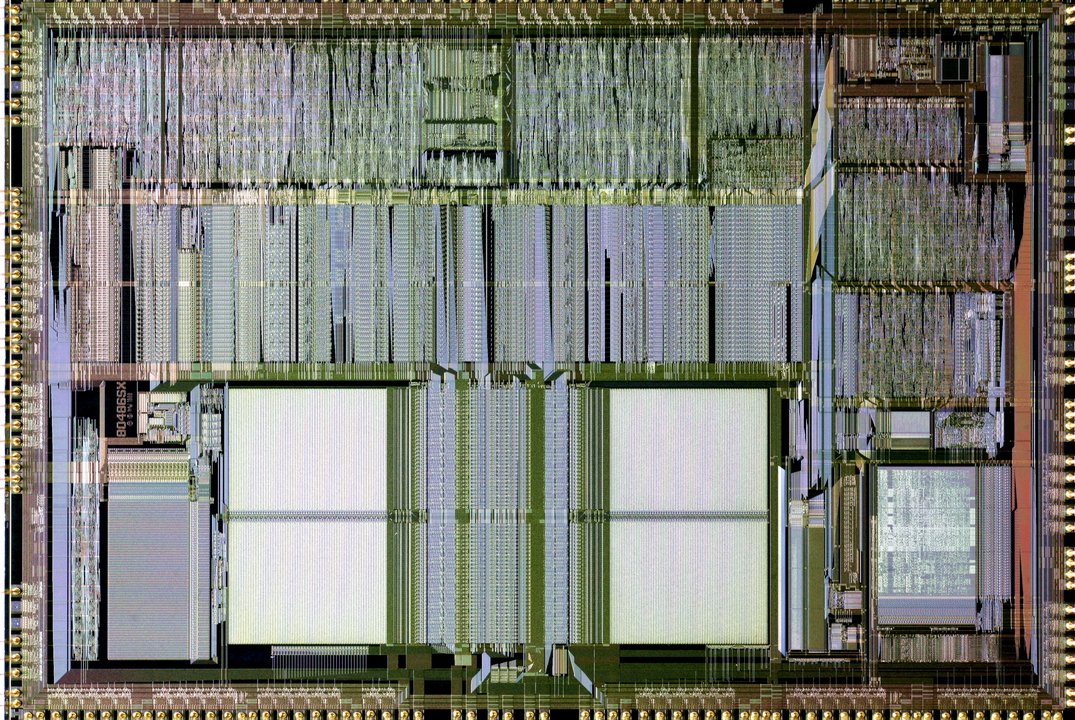
Semiconductor History | Intel Headquarters, 22 April 1991 — The 486SX Sells a Disabled Math Unit
kevin
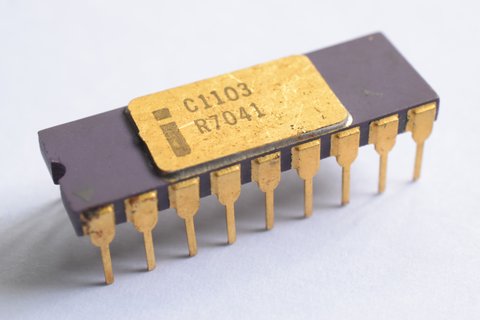
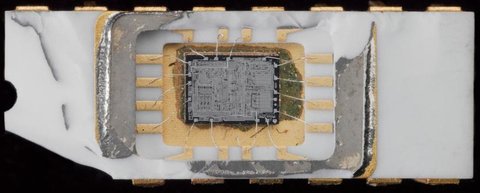
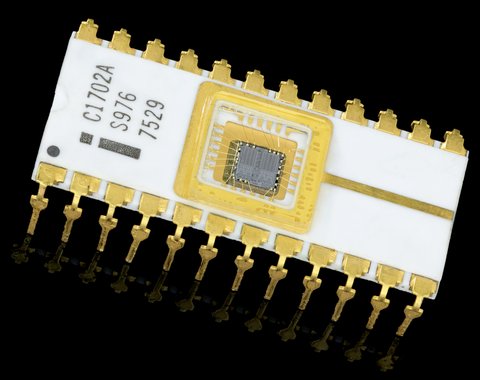
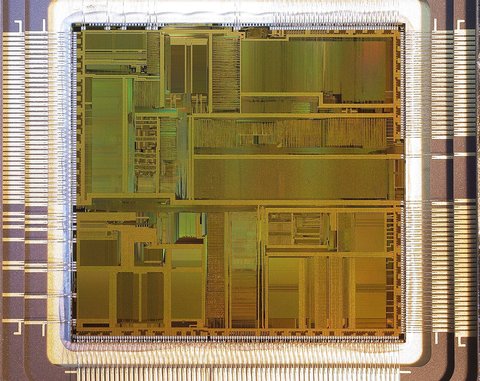
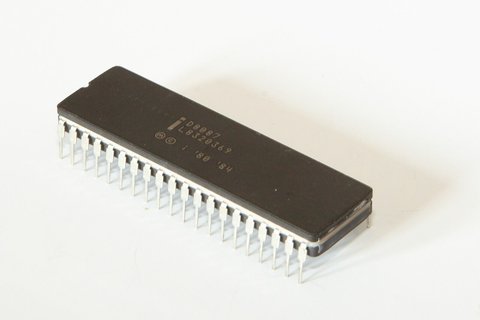
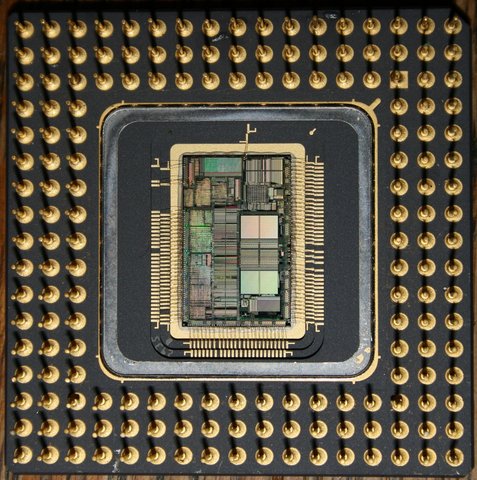
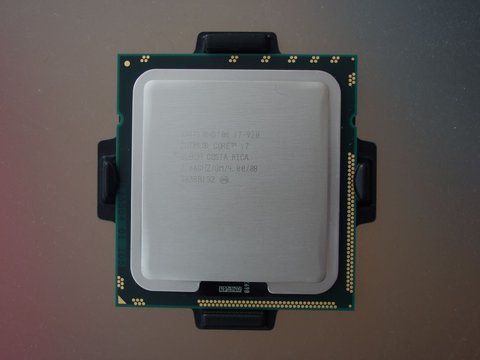
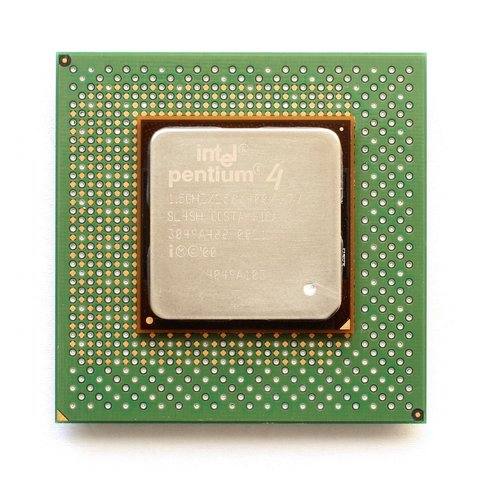
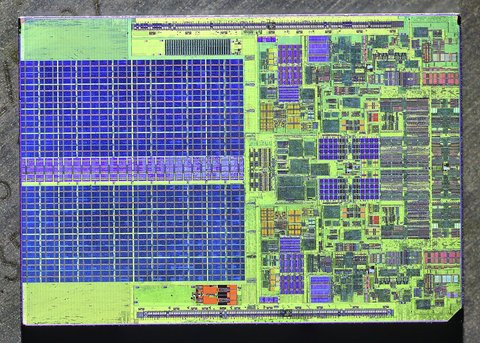
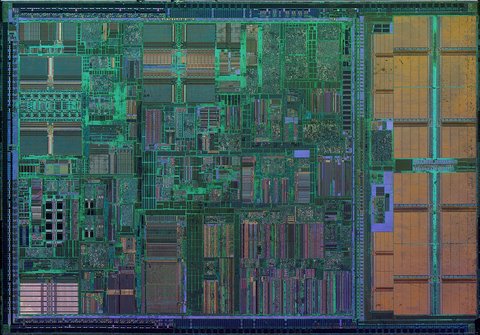
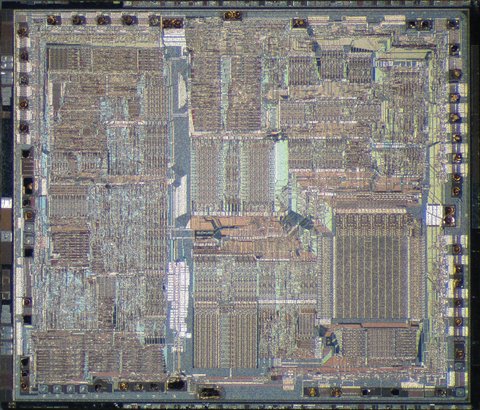
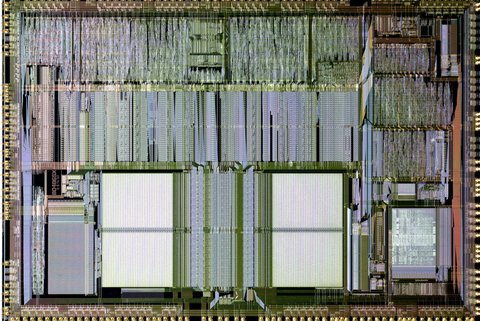
This exposed 25-megahertz Intel486 SX die belongs to the processor family that turned subtraction into a product strategy.
Intel introduced the 486SX on 22 April 1991 for lower-cost desktop computers. It kept the 486 generation's 32-bit bus, on-chip cache, and instruction pipeline but made the integrated floating-point unit unavailable.
For many buyers, that was a sensible trade.
Word processors, spreadsheets using ordinary arithmetic, databases, and most office software rarely depended on hardware floating point. The SX let computer makers sell a machine with the 486 name and much of its integer performance below the price of a full 486DX system.
It also moved Intel's product line away from the increasingly contested 386 market.
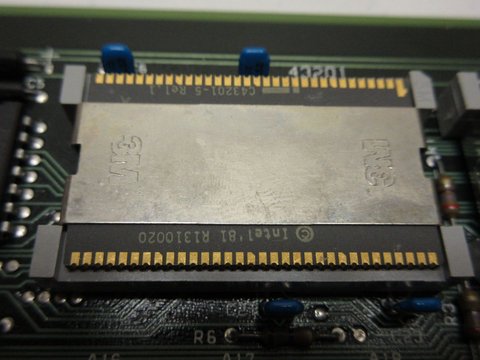
The awkwardness appeared when a buyer later needed faster numerical work for computer-aided design, scientific software, or certain games. Intel sold the 487SX as a math upgrade, but it was not a conventional coprocessor performing only floating-point instructions beside the original CPU.
Installing the 487 caused the system to disable the 486SX and hand all processing to the new device.
The upgrade socket therefore held another complete processor while the first remained physically present but electrically sidelined. Later OverDrive products used the same takeover principle to provide a faster core.
Intel's own reference tables show why the segmentation worked commercially.
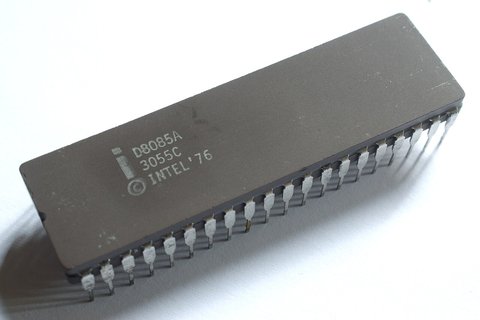
The family addressed four gigabytes of memory, carried an eight-kilobyte cache, and ranged from 16 to 33 megahertz. It gave entry-level buyers a current architecture without requiring them to pay for arithmetic hardware their software might never call.
The good was lower-cost access to the 486 platform and a clean upgrade path for computer vendors. The bad was artificial product separation, a confusing 487 label, and an upgrade scheme that replaced the active CPU without removing the original one.
The product nevertheless demonstrated how precisely one silicon generation could be divided into price tiers.
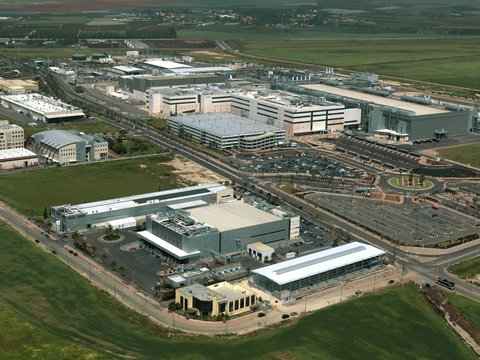
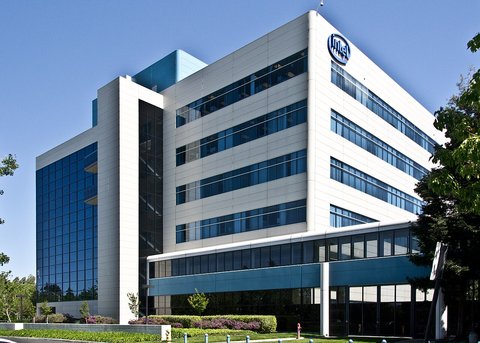
The pin marks Intel's Santa Clara headquarters as the corporate anchor because the release record does not establish a public launch room. The cover is a later 25-megahertz SX679 die rather than the first 20-megahertz launch unit.
Photo: Mister rf, CC BY-SA 4.0, via Wikimedia Commons.













changes?
delete this memory?
We detected that you have a Blox in your crypto wallet! We will import the Blox into your account.
Click on done below to complete the import.
Welcome Back!
Sign in to preserve cherished moments
Don't have an account?
Welcome!!
Sign up and start preserving cherished moments
?
?







Choose your payment method
Buy with Metablox Credit
Do you want to mint Blox with Metablox Credit?
Which Crypto would you like to use?
Purchase Confirmed!
Your Blox is being minted on-chain and will appear in your profile shortly.
Log in or sign up to claim your Blox.
How many credits do you want to buy?
$100 USD = 1 Metablox Credit = 1 Blox.
Use Metablox Credit to mint any Blox you want on the map.
 expand_more