


Semiconductor History | Intel Aloha, 1981 — The 32-Bit Future That Arrived Too Early
· 1981
Personal memoryBy kevin · · updated · Report an issue











































































Find memories left by people near you.
Distribute Bounty
This will distribute the bounty equally among all qualifying memories. This action cannot be undone.
Cancel Bounty
Are you sure you want to cancel this bounty? The remaining amount will be refunded to your account.
Success!
Operation completed successfully.
Error
Something went wrong.
Semiconductor History | Intel Aloha, 1981 — The 32-Bit Future That Arrived Too Early
kevin
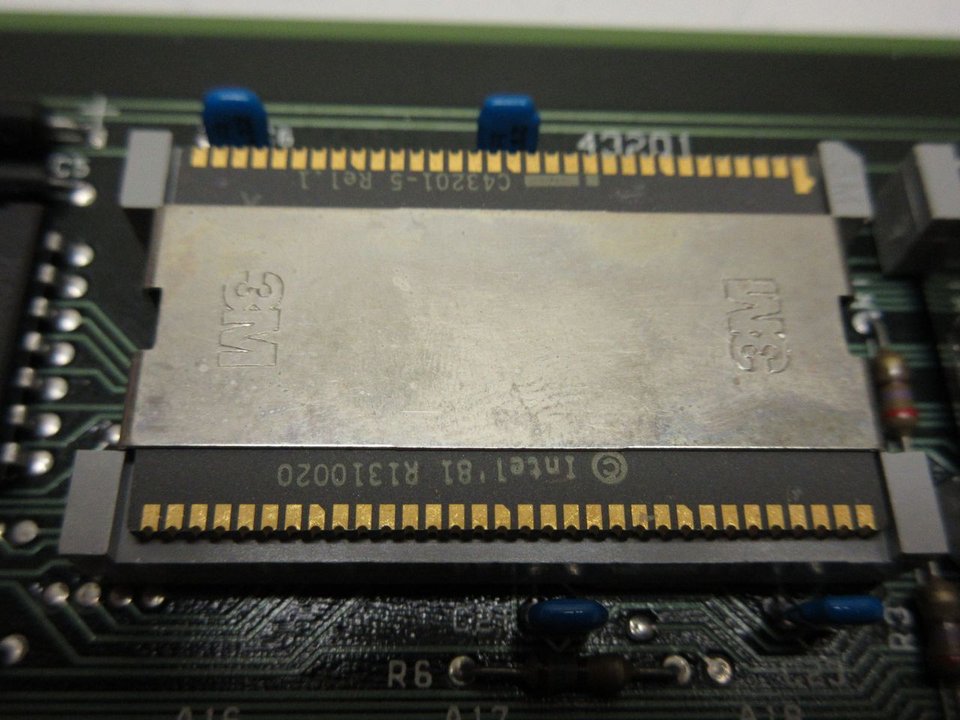
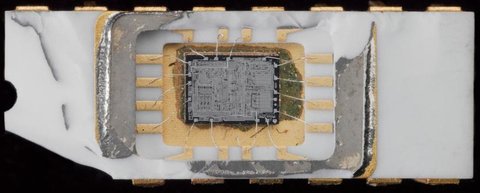
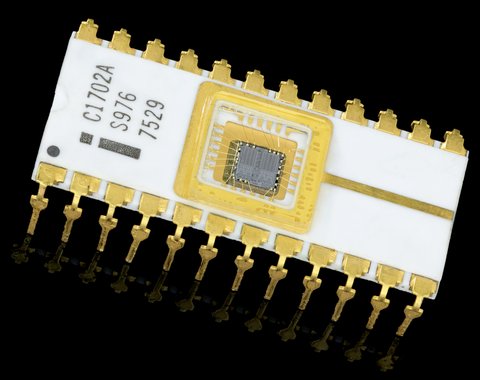
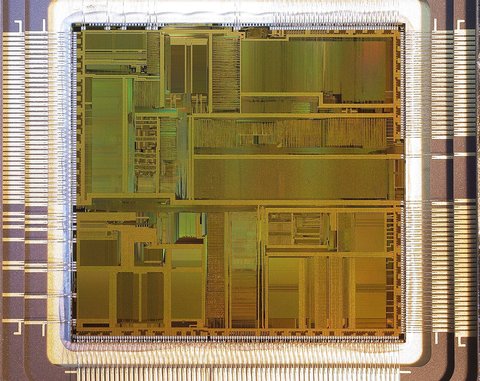
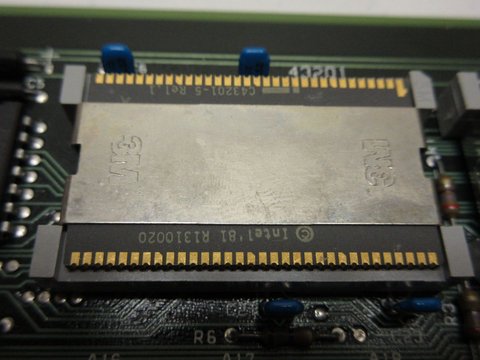
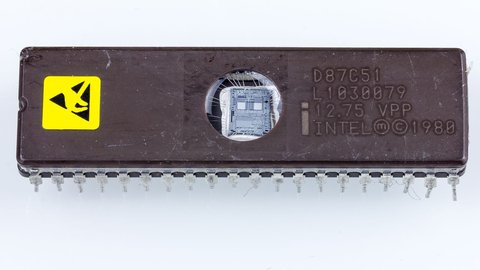
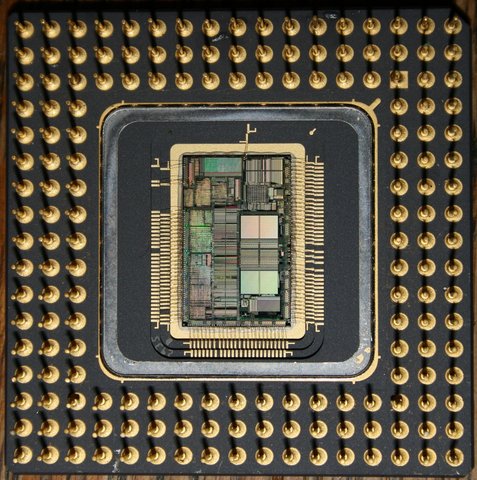
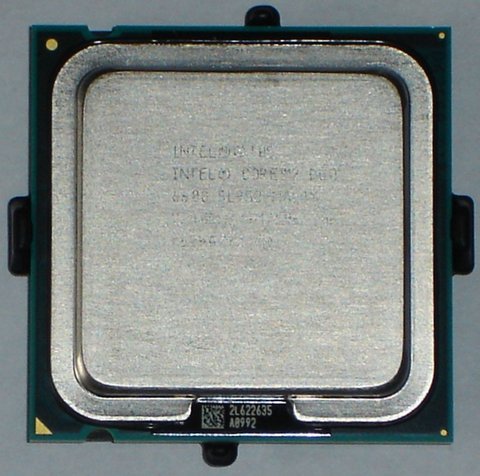
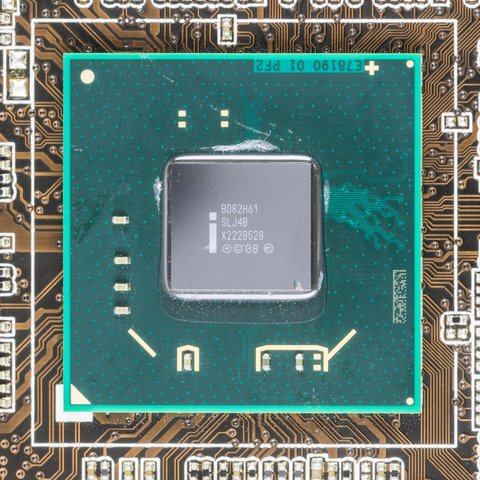
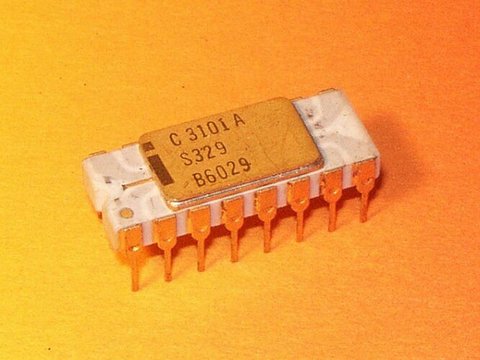
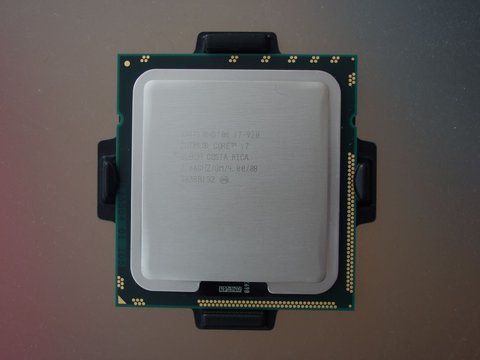
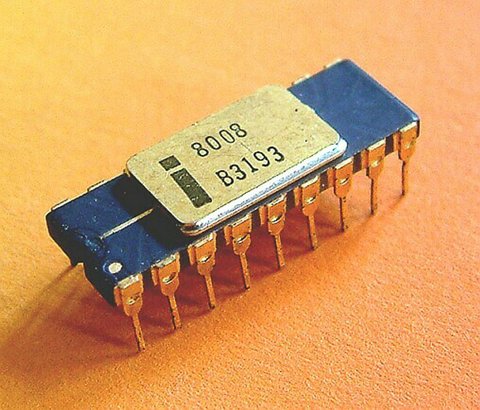
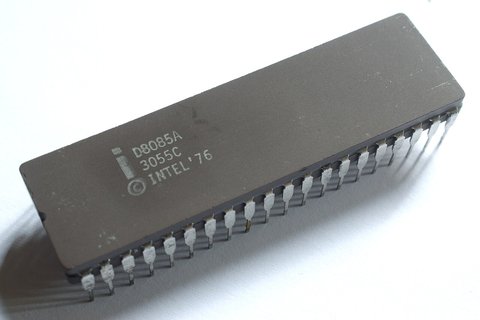
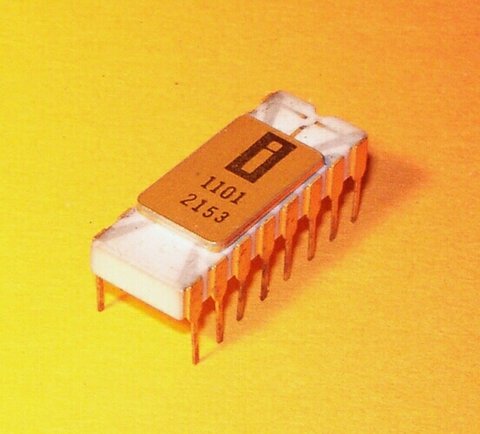
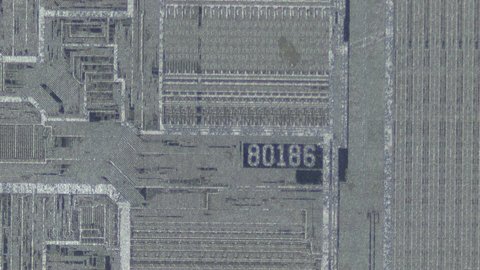
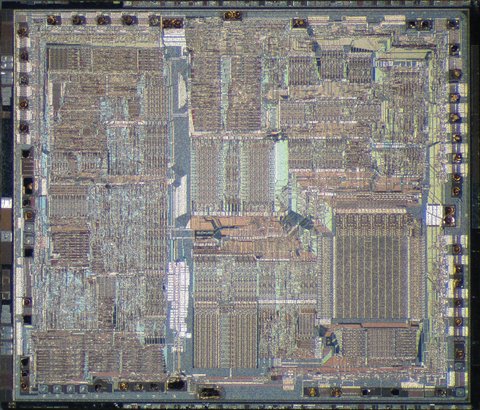
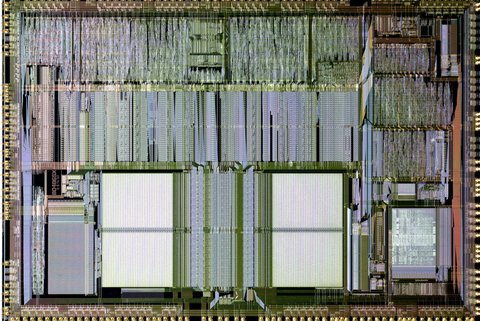
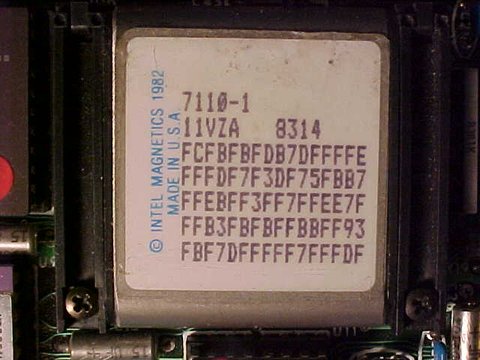
The code C43201 on this ceramic package identifies one half of the two-chip General Data Processor at the center of Intel’s iAPX 432.
Intel introduced the 32-bit architecture in 1981 after a long development program in Aloha, Oregon. It was not meant to be another incremental microprocessor: the 432 was designed as a protected, object-based computer system for multiuser software, multiprocessing, and the Ada programming language.
That ambition was the good part.
Programs could work with protected objects and access rights enforced by the architecture rather than treating every address as an unguarded number. Intel also pushed operating-system services, fault handling, and interprocessor coordination into hardware and microcode, anticipating concerns that would become more important as software systems grew.
The same choices made the machine difficult to build and slow to use.
The General Data Processor required two chips, while a third Interface Processor handled input and output. Dense instruction encodings, narrow internal paths, cache decisions, object checks, and immature compiler technology imposed costs that the semiconductor processes of the time could not hide.
A later performance study by former 432 engineer Robert Colwell and his co-authors resisted an easy verdict. It found that a handful of implementation changes could have accelerated the system substantially, yet estimated that even an improved 432 would have delivered between one-quarter and roughly the performance of contemporary processors, depending on the workload.
The failure therefore was not simply “too much complexity.”
Intel built valuable ideas into an implementation whose price and speed could not win a market already moving toward simpler chips and established software. The supposedly temporary x86 line, meanwhile, gained the IBM PC and the application base that the clean-sheet 432 lacked.
The result is one of Intel’s most instructive reversals. A design can be intellectually farsighted and commercially wrong at the same time; hardware protection is only useful if the whole system arrives at a competitive cost, with adequate performance and software ready to run.
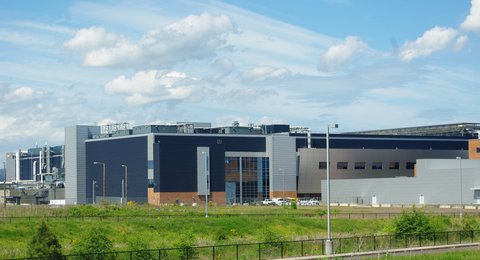
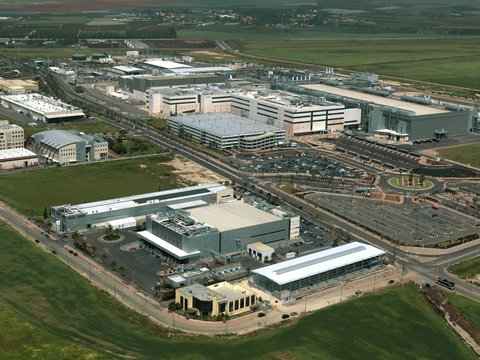
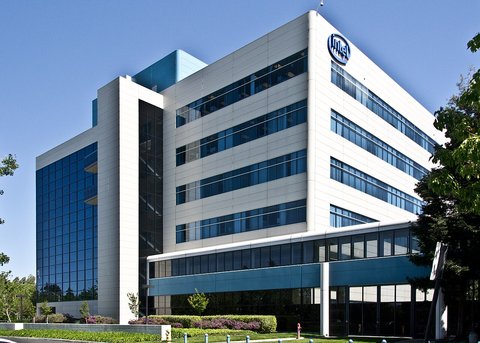
The pin marks Intel’s Aloha campus at 3585 Southwest 198th Avenue, the Oregon site named by the engineers in their contemporary 432 article. It remains an operating Intel facility, so visitors should view it only from public roads and entrances.
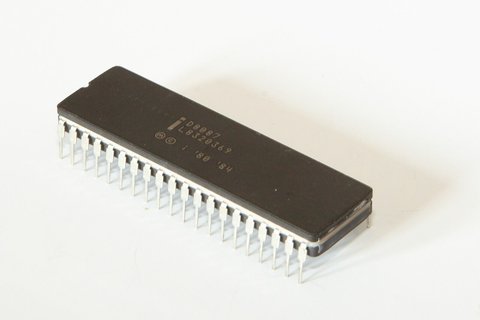
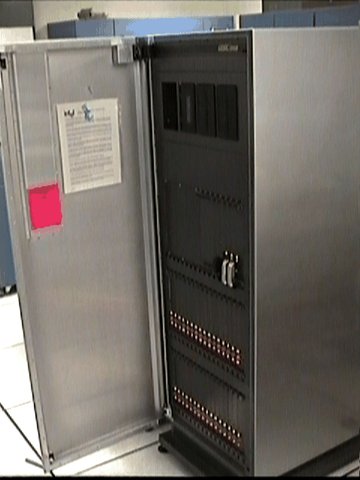
Photo: _brouhaha_, CC BY-SA 2.0, via Wikimedia Commons.














changes?
delete this memory?
We detected that you have a Blox in your crypto wallet! We will import the Blox into your account.
Click on done below to complete the import.
Welcome Back!
Sign in to preserve cherished moments
Don't have an account?
Welcome!!
Sign up and start preserving cherished moments
?
?






Choose your payment method
Buy with Metablox Credit
Do you want to mint Blox with Metablox Credit?
Which Crypto would you like to use?
Purchase Confirmed!
Your Blox is being minted on-chain and will appear in your profile shortly.
Log in or sign up to claim your Blox.
How many credits do you want to buy?
$100 USD = 1 Metablox Credit = 1 Blox.
Use Metablox Credit to mint any Blox you want on the map.
 expand_more