
Consumer History | Heinz — The North Side Works After the Sharpsburg Kitchen
· 1888
Unreviewed contributionBy kevin · · updated · Report an issue



































Find memories left by people near you.
Distribute Bounty
This will distribute the bounty equally among all qualifying memories. This action cannot be undone.
Cancel Bounty
Are you sure you want to cancel this bounty? The remaining amount will be refunded to your account.
Success!
Operation completed successfully.
Error
Something went wrong.
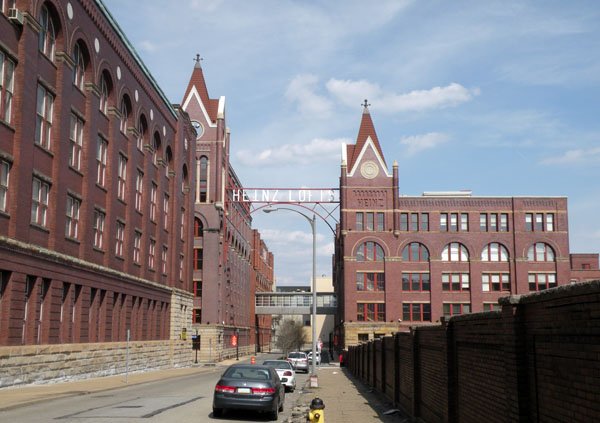
Consumer History | Heinz — The North Side Works After the Sharpsburg Kitchen
kevin
People treat Kraft Heinz as a Chicago holding company that always lived on a supermarket shelf.
The first kitchen was a Sharpsburg house. The plant that made the brand visible still stands on Pittsburgh's North Side.
In 1869 Henry John Heinz and L. Clarence Noble began packing horseradish in Sharpsburg, Pennsylvania, as Heinz, Noble and Company. They used clear glass so a buyer could see the root.
That first partnership failed in the depression that followed the Panic of 1873. Heinz reorganized in 1876 with his brother John and cousin Frederick as F. and J. Heinz.
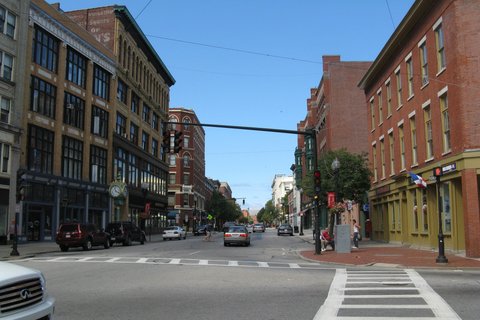
In 1888 he started buying lots along the Allegheny in what was then Allegheny City, now Pittsburgh's North Side, for river and rail access. Brick from his father's yard went into the early walls.
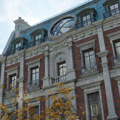
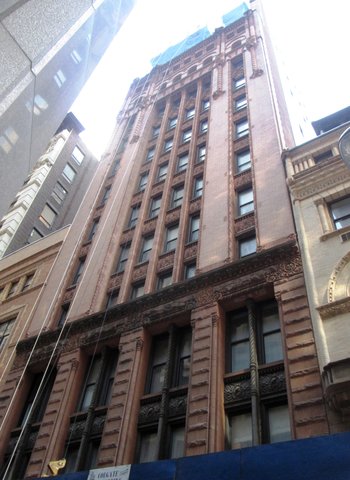
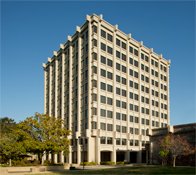
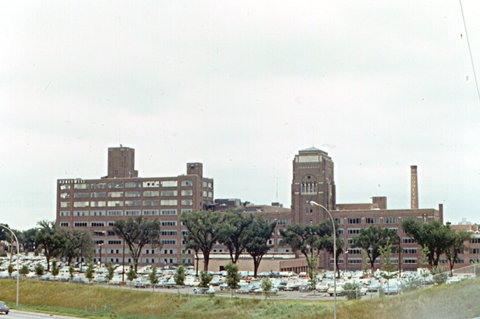
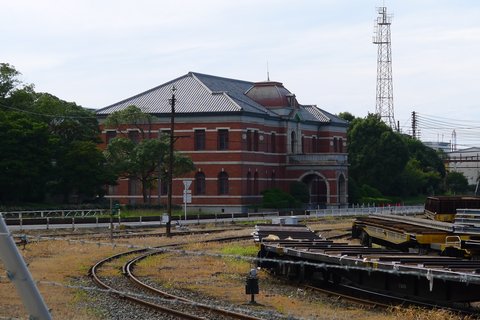
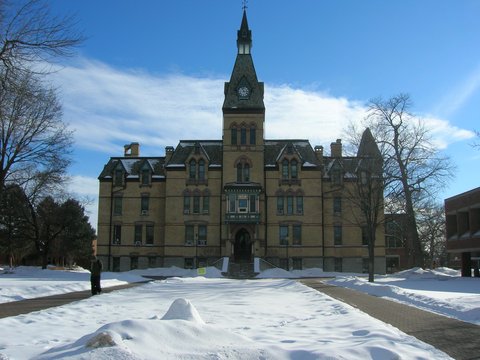
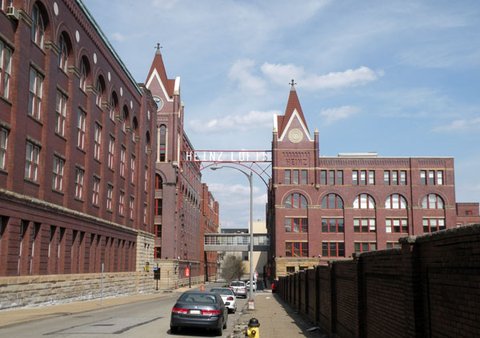
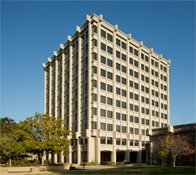
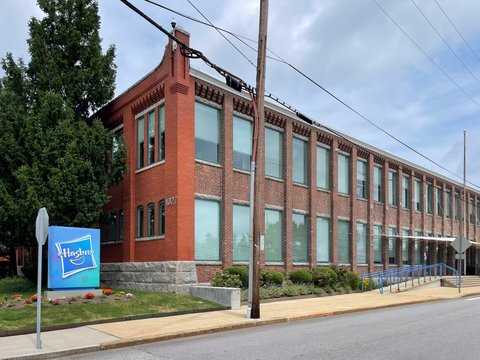
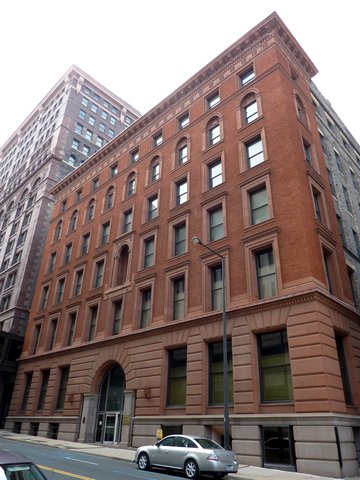
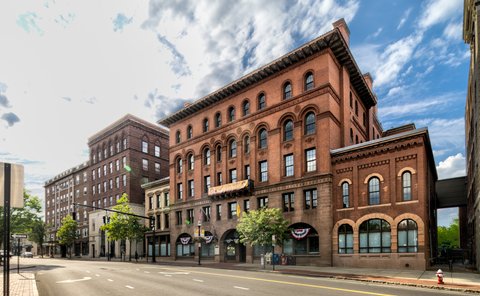
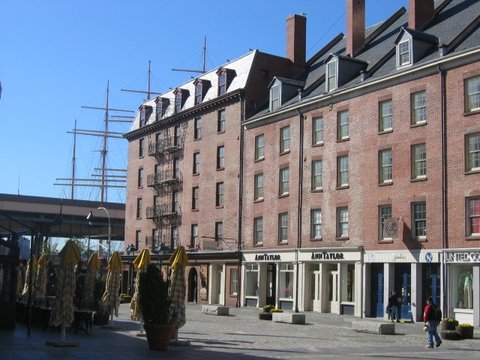
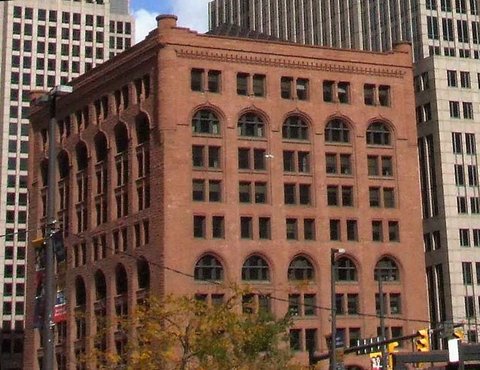
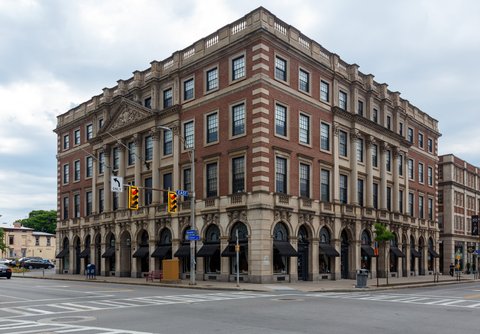
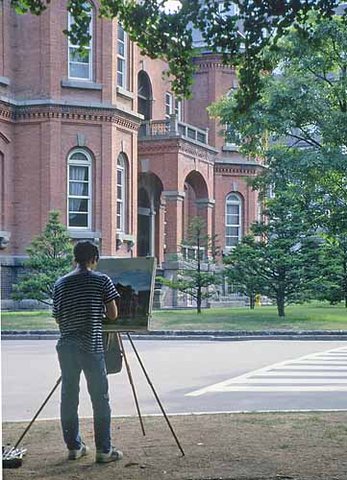
The complex at 300 Heinz Street grew in stages from the 1890s through the 1930s. Albert Kahn designed part of it. The Romanesque and Beaux-Arts brick that remains is the second generation of that factory, documented by the Historic American Engineering Record as HAER PA-639.
Ketchup, pickles, and vinegar left these buildings in labeled bottles. The company's own later count of varieties became a slogan, not a laboratory fact to repeat without the original advertisement in hand.
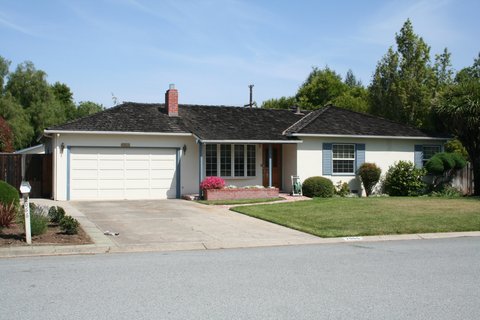
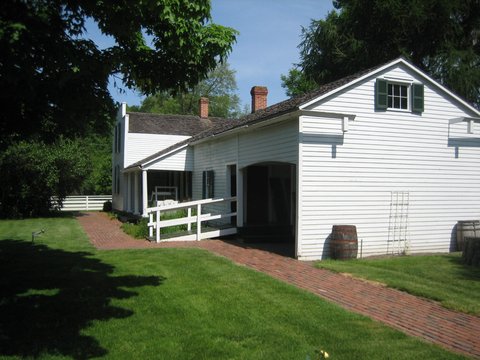
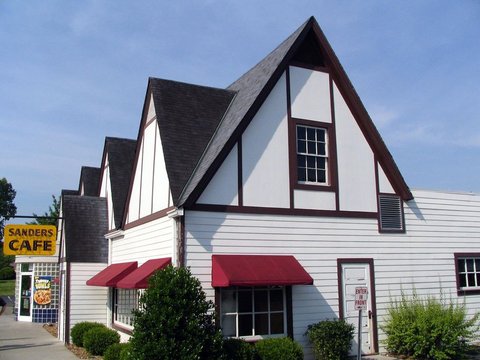
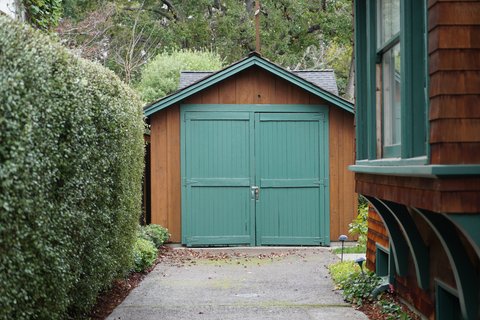
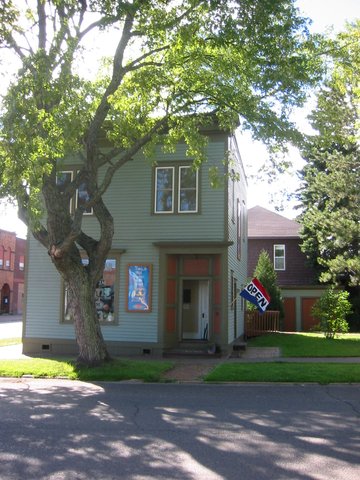
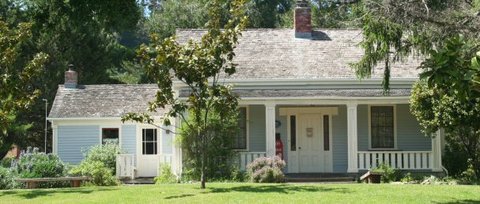
The Sharpsburg house where the horseradish started was floated down the Allegheny in 1904 and set among the factory buildings. It later left Pittsburgh for Greenfield Village in Michigan. The North Side brick is what a visitor can still walk past.
Part of the complex was sold and converted to lofts in 2003 to 2005. The National Register listed the works in 2002.
The 2015 merger that created Kraft Heinz moved the corporate center of gravity. It did not erase the pin. The smokestacks and the Heinz Street elevation are still the place where a Pittsburgh packer became a national grocery name.
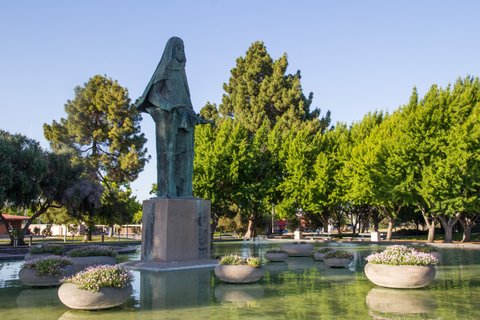
Photo: Lee Paxton, Wikimedia Commons.




















_thumbnail.jpg)




_thumbnail.jpg)




_thumbnail.jpg)

























































changes?
delete this memory?
We detected that you have a Blox in your crypto wallet! We will import the Blox into your account.
Click on done below to complete the import.
Welcome Back!
Sign in to preserve cherished moments
Don't have an account?
Welcome!!
Sign up and start preserving cherished moments
?
?


Choose your payment method
Buy with Metablox Credit
Do you want to mint Blox with Metablox Credit?
Which Crypto would you like to use?
Purchase Confirmed!
Your Blox is being minted on-chain and will appear in your profile shortly.
Log in or sign up to claim your Blox.
How many credits do you want to buy?
$100 USD = 1 Metablox Credit = 1 Blox.
Use Metablox Credit to mint any Blox you want on the map.
 expand_more