
Industry History | Iron Mountain — A Dollar Vault Door on a Mushroom Mine
· 1951-1
Unreviewed contributionBy kevin · · Report an issue














































Find memories left by people near you.
Distribute Bounty
This will distribute the bounty equally among all qualifying memories. This action cannot be undone.
Cancel Bounty
Are you sure you want to cancel this bounty? The remaining amount will be refunded to your account.
Success!
Operation completed successfully.
Error
Something went wrong.
Industry History | Iron Mountain — A Dollar Vault Door on a Mushroom Mine
kevin
People treat Iron Mountain as a Boston REIT that always stored boxes in a suburban warehouse park.
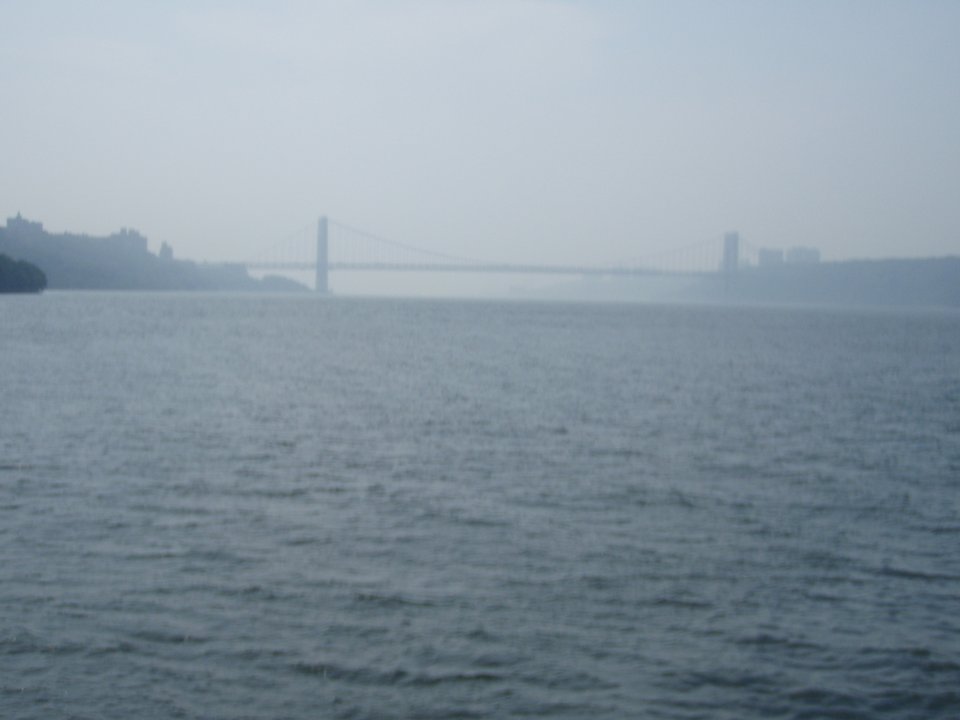
The first book was a spent iron mine on a Hudson Valley knob.
In 1936 Herman Knaust bought a depleted ore mine and about 100 acres near Livingston and Germantown, New York, for $9,000 in 1936 dollars.
He grew mushrooms in the damp galleries and for a time shipped hundreds of thousands of pounds a year from the hill he already called Iron Mountain.
After the war the mushroom trade turned against him.
Refugees who had worked the caves told him what bombing did to paper records, and Cold War civil-defense talk gave the unused rooms a second use.
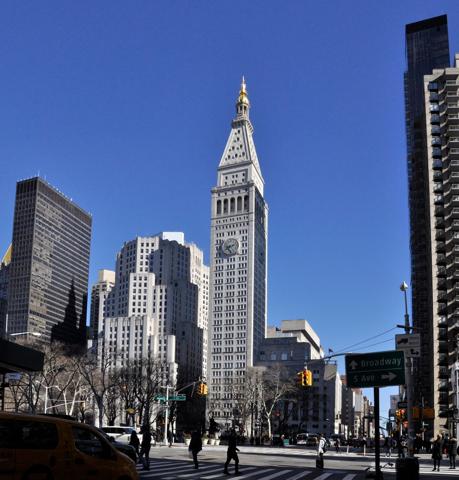
In 1951 he incorporated Iron Mountain Atomic Storage and opened underground vaults in the old workings, with a sales desk about 125 miles south in the Empire State Building.
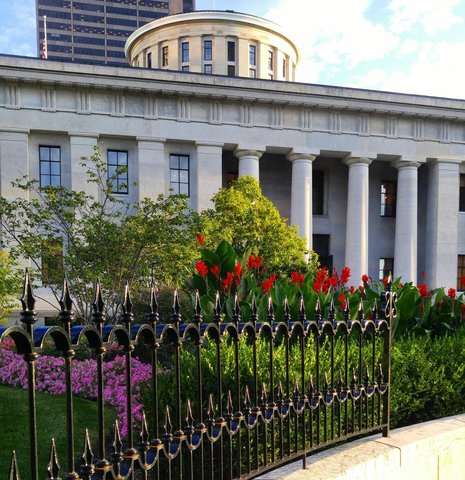
He bought a 28-ton bank-vault door in Ohio for $1 and paid $20,000 in 1951 dollars to haul it to the mountain, because the door made the mine look like a vault instead of a farm.
Oil companies and banks rented space outside the expected blast radius of New York.
Some tenants kept underground rooms for executives; the larger oil accounts used the hill as a records bunker first and a fallout plan second.
The product was not mushrooms.
It was continuity: a copy of the ledger that could restart a firm after fire, flood, or a war that never arrived at this particular hill.
A second limestone mine at Rosendale was added in the 1970s.
The first above-ground warehouse opened in 1978, and that warehouse model, not the mine, became the national book.
The Germantown workings remain one of the two underground sites.
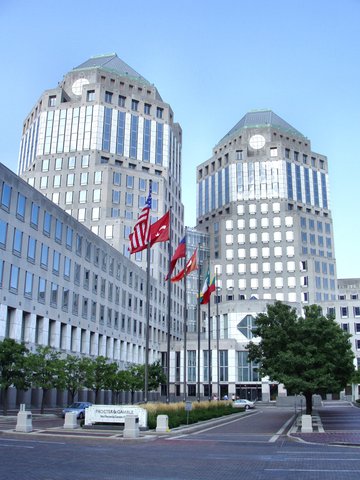
A visitor on the public roads sees a fenced hill in Columbia County, not a glass campus.
The name on the S and P 500 list still points at that hole in the ground.
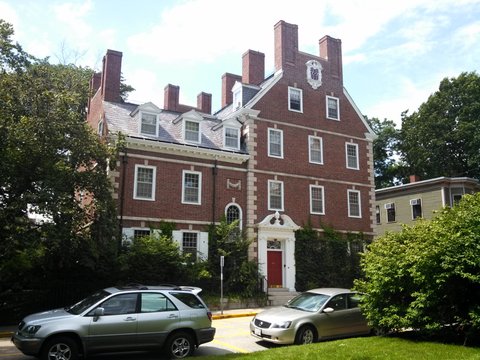
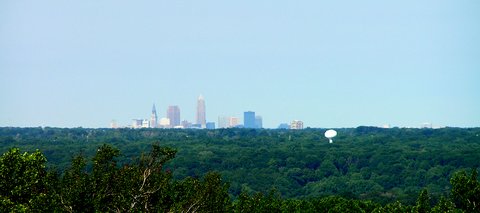
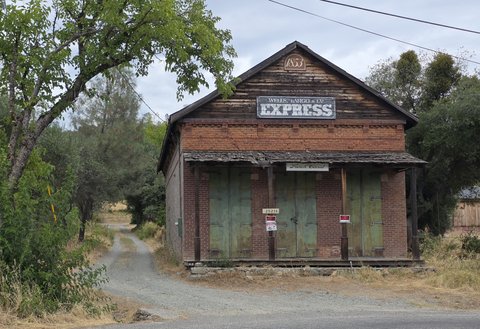
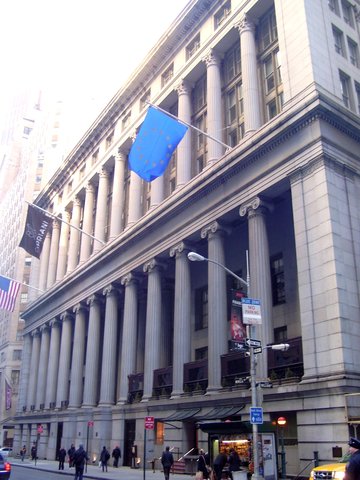
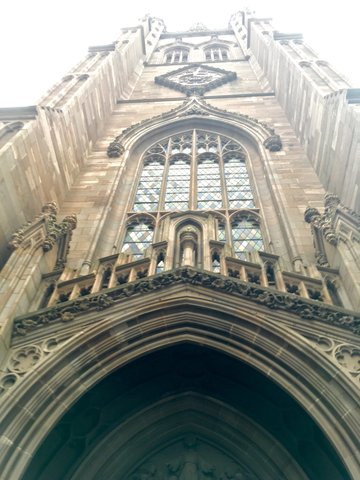
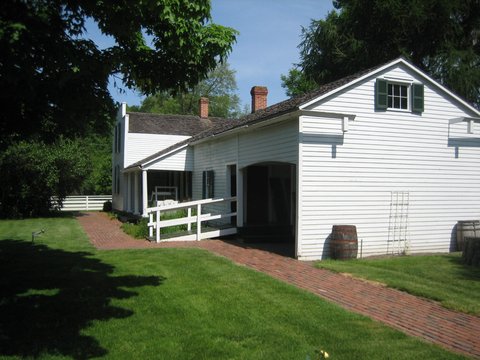
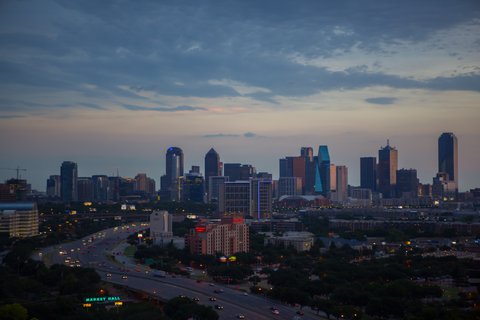
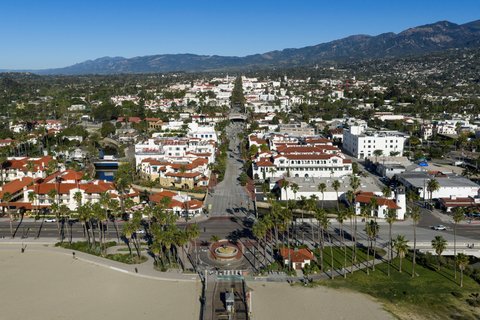
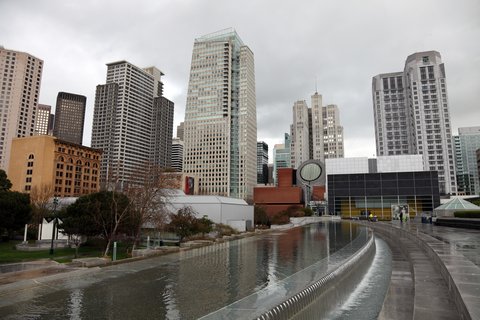
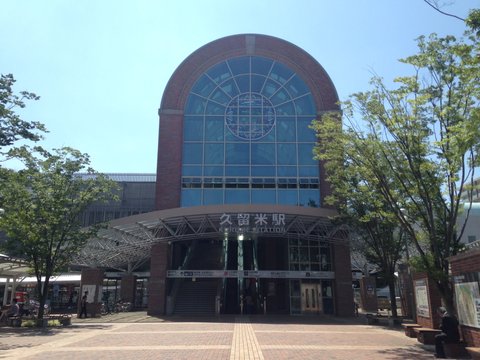
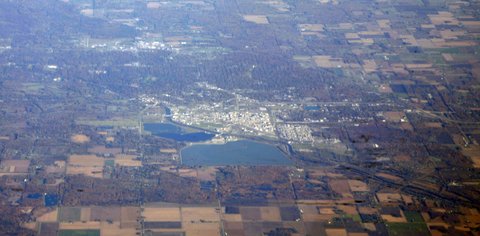
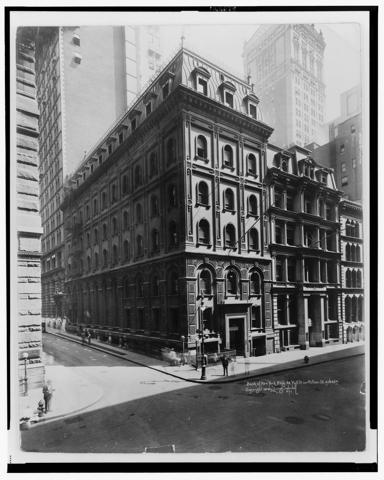
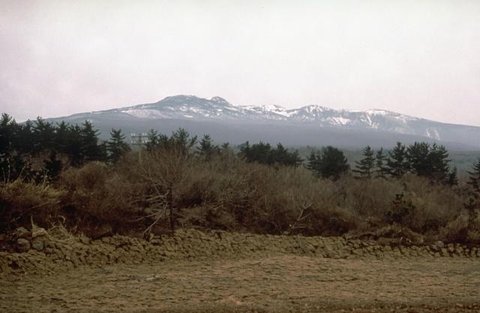
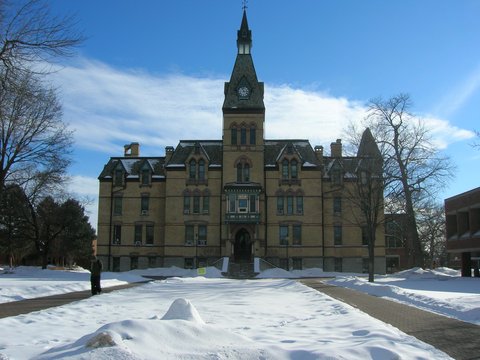
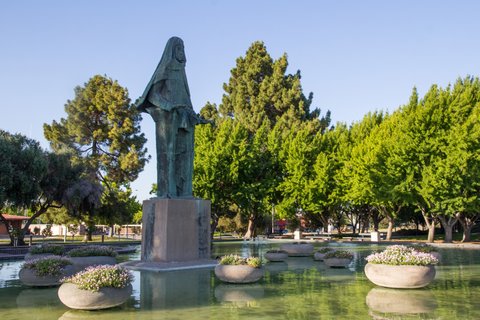
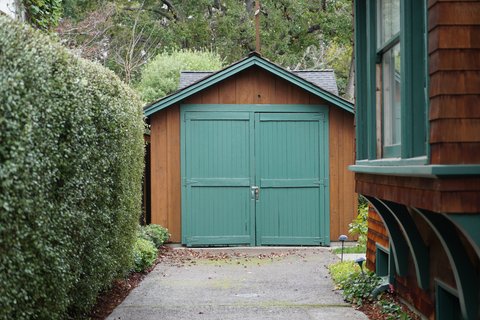
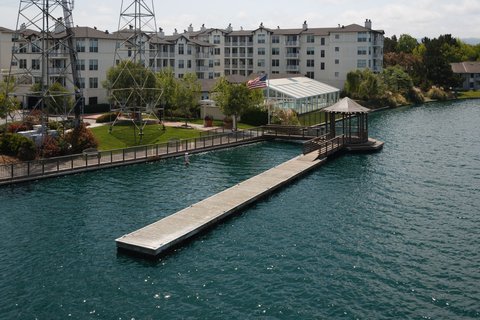
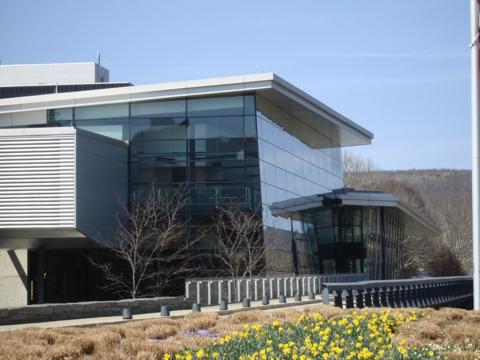
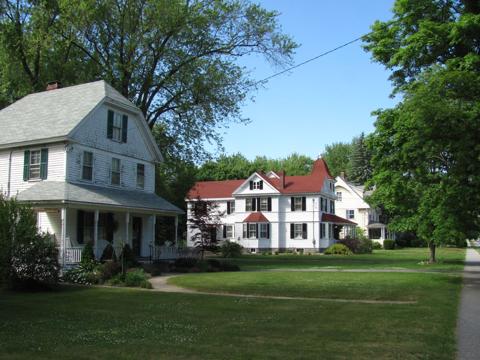
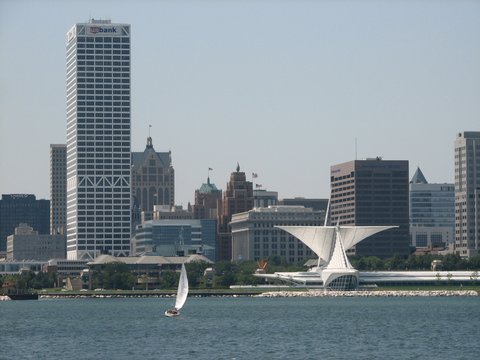
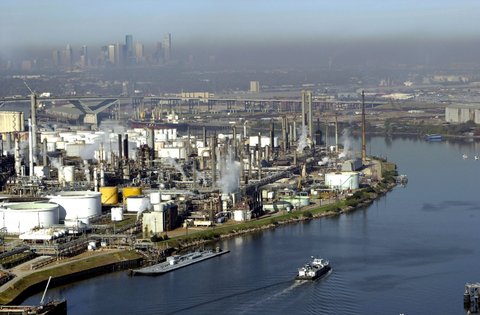
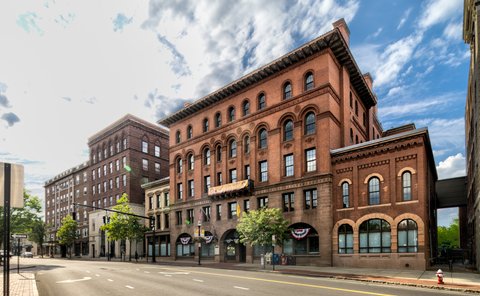
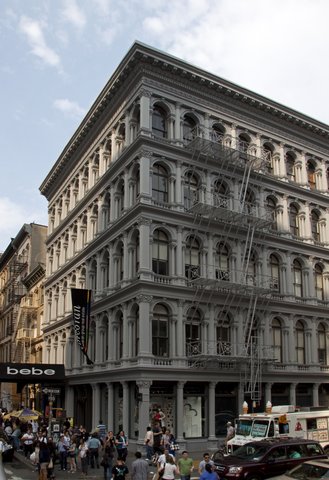
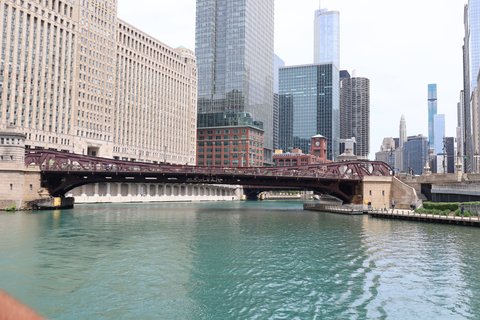
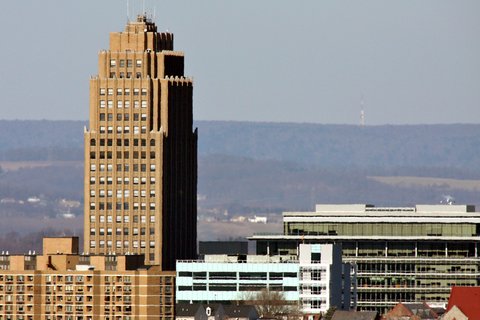
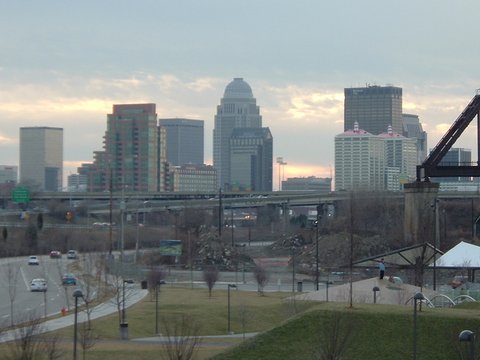
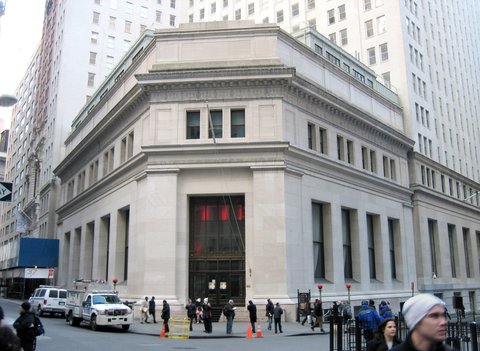
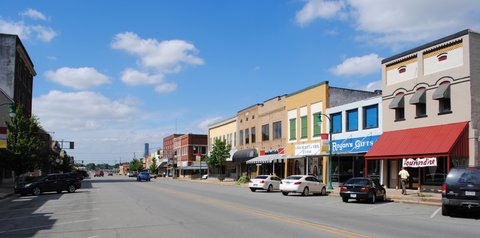
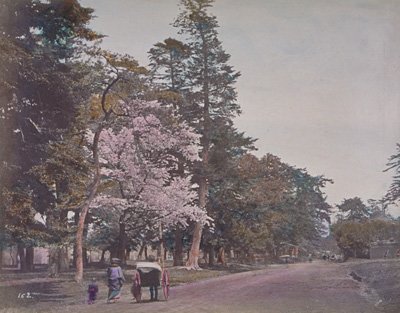
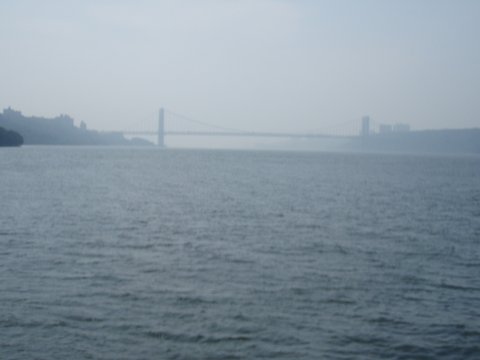
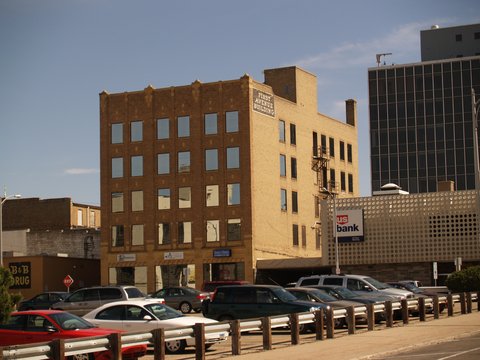
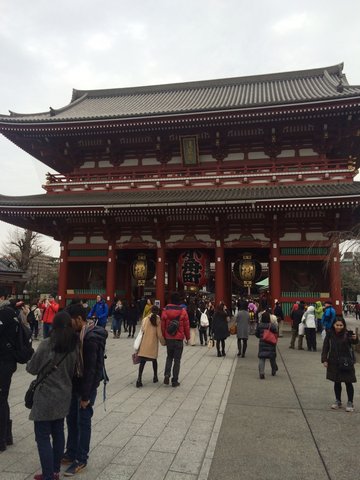
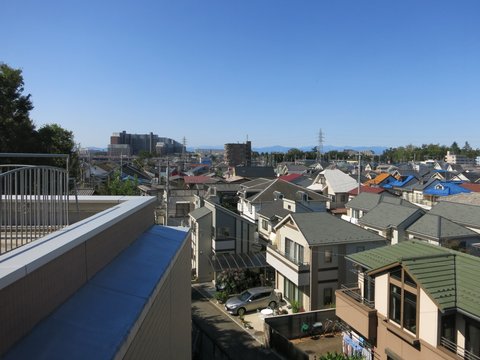
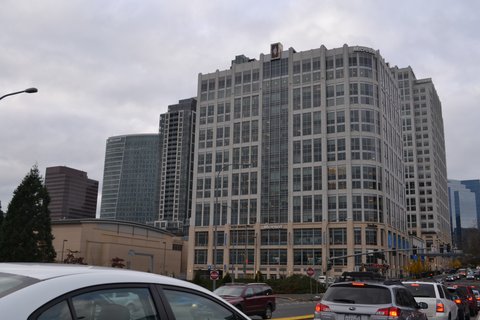
Photo: public-domain Hudson Valley landscape via Wikimedia Commons.



















_thumbnail.jpg)




_thumbnail.jpg)






_thumbnail.jpg)

































































changes?
delete this memory?
We detected that you have a Blox in your crypto wallet! We will import the Blox into your account.
Click on done below to complete the import.
Welcome Back!
Sign in to preserve cherished moments
Don't have an account?
Welcome!!
Sign up and start preserving cherished moments
?
?
Choose your payment method
Buy with Metablox Credit
Do you want to mint Blox with Metablox Credit?
Which Crypto would you like to use?
Purchase Confirmed!
Your Blox is being minted on-chain and will appear in your profile shortly.
Log in or sign up to claim your Blox.
How many credits do you want to buy?
$100 USD = 1 Metablox Credit = 1 Blox.
Use Metablox Credit to mint any Blox you want on the map.
 expand_more